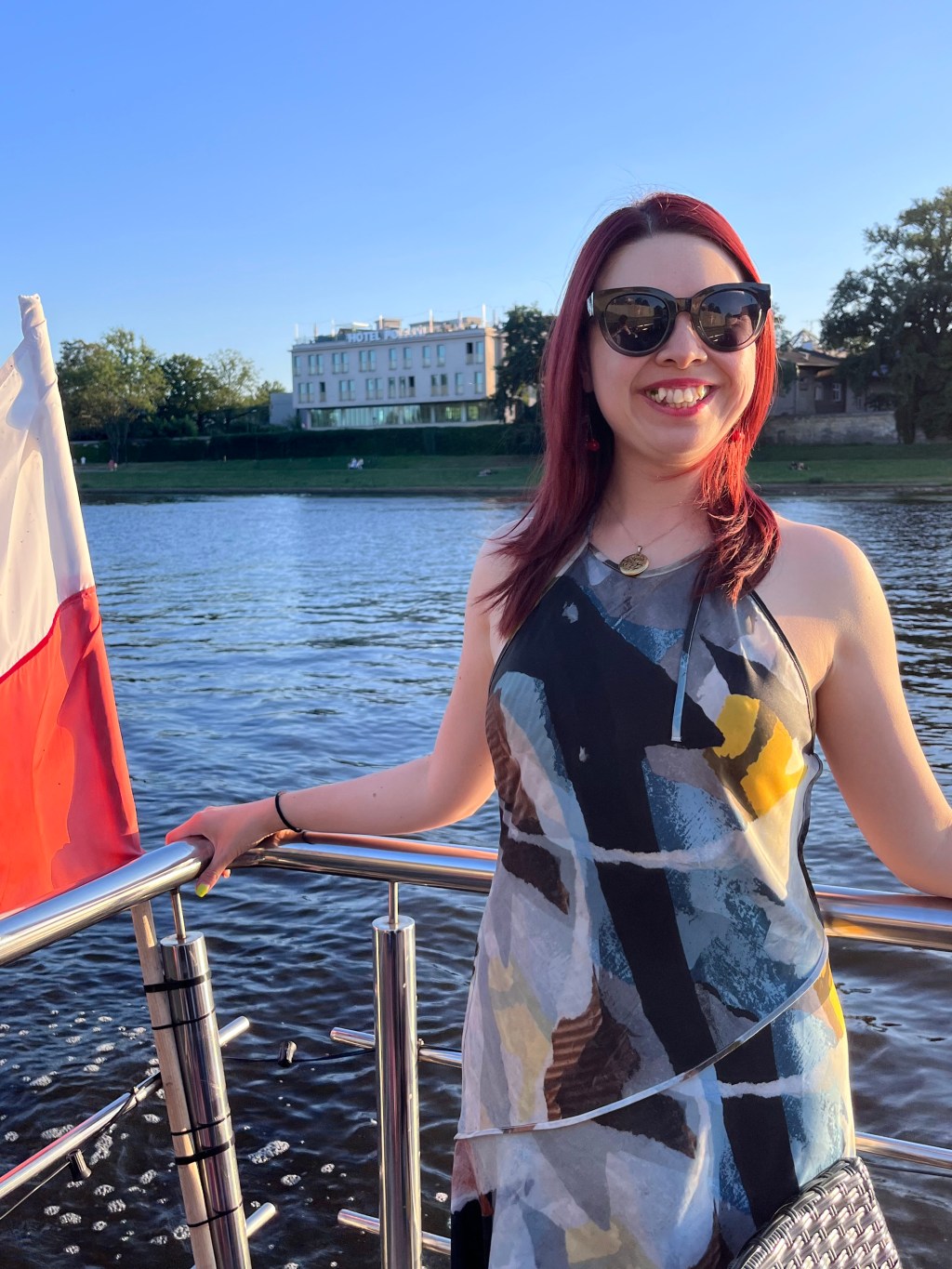
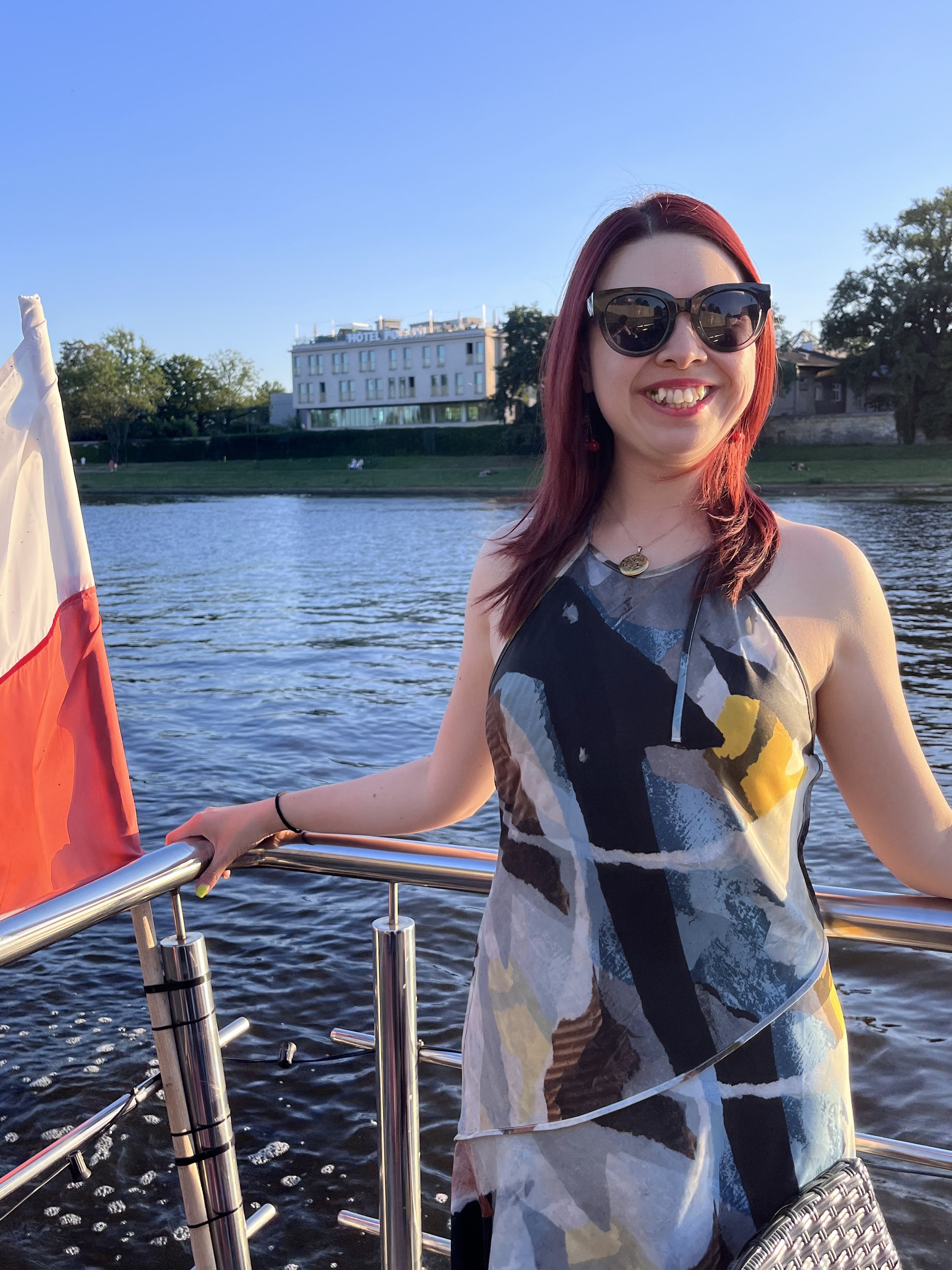
“Excuse me, are you here alone?” The woman was sitting on the boat next to me, two young children in tow, as we rode along the Vistula River cruise.
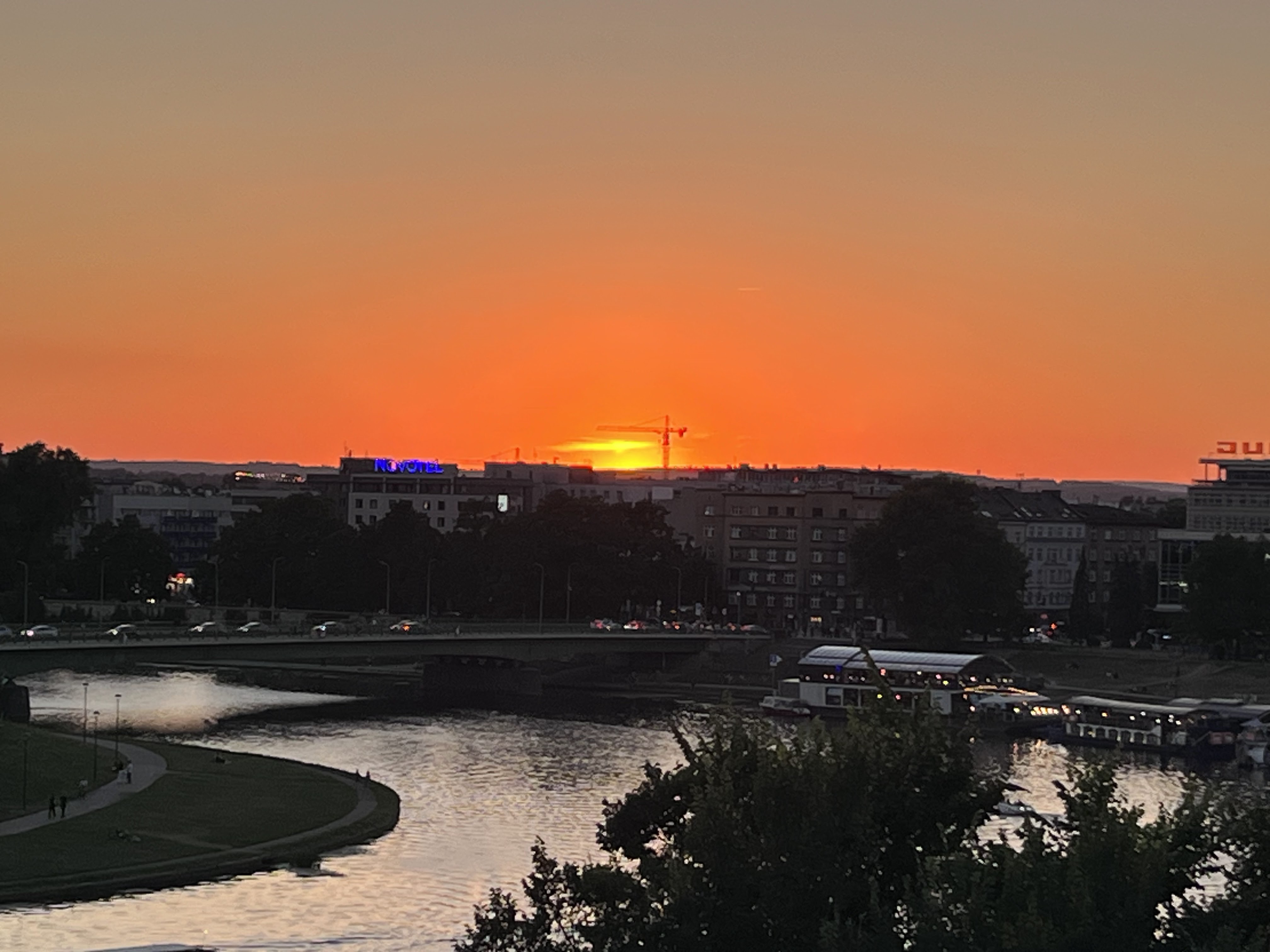
It was my final night of my solo trip in Krakow, Poland, and I had snabbed the last ticket of the tour just hours before. The sun was setting, and the sky was lit ablaze with fiery orange and yellow, its hues perfectly complementing the brick red walls of the castle overlooking us. As the boat started to disembark, I couldn’t help but marvel at the magnitude of the greenery hugging the curves of the river. I could see why so many passengers were eager to check this cruise off their bucket list.
“Yes, I’m here alone.”, I said, with confidence. It was my second week into a three week trip around Europe, and I was used to making conversations with curious strangers.
“Where are you from?”, she asked.
“I’m from San Francisco.”
“My god, you’re from San Francisco? I have a friend that lives there, and I really want to go! But what are you doing here in Poland?”
“I am here for a festival, and I wanted to tour your beautiful country too.”
“I can’t believe you came all the way here to visit Poland! I am from Krakow, and my kids really wanted to come on the boat”, she said, gesturing to her children sitting across from us.
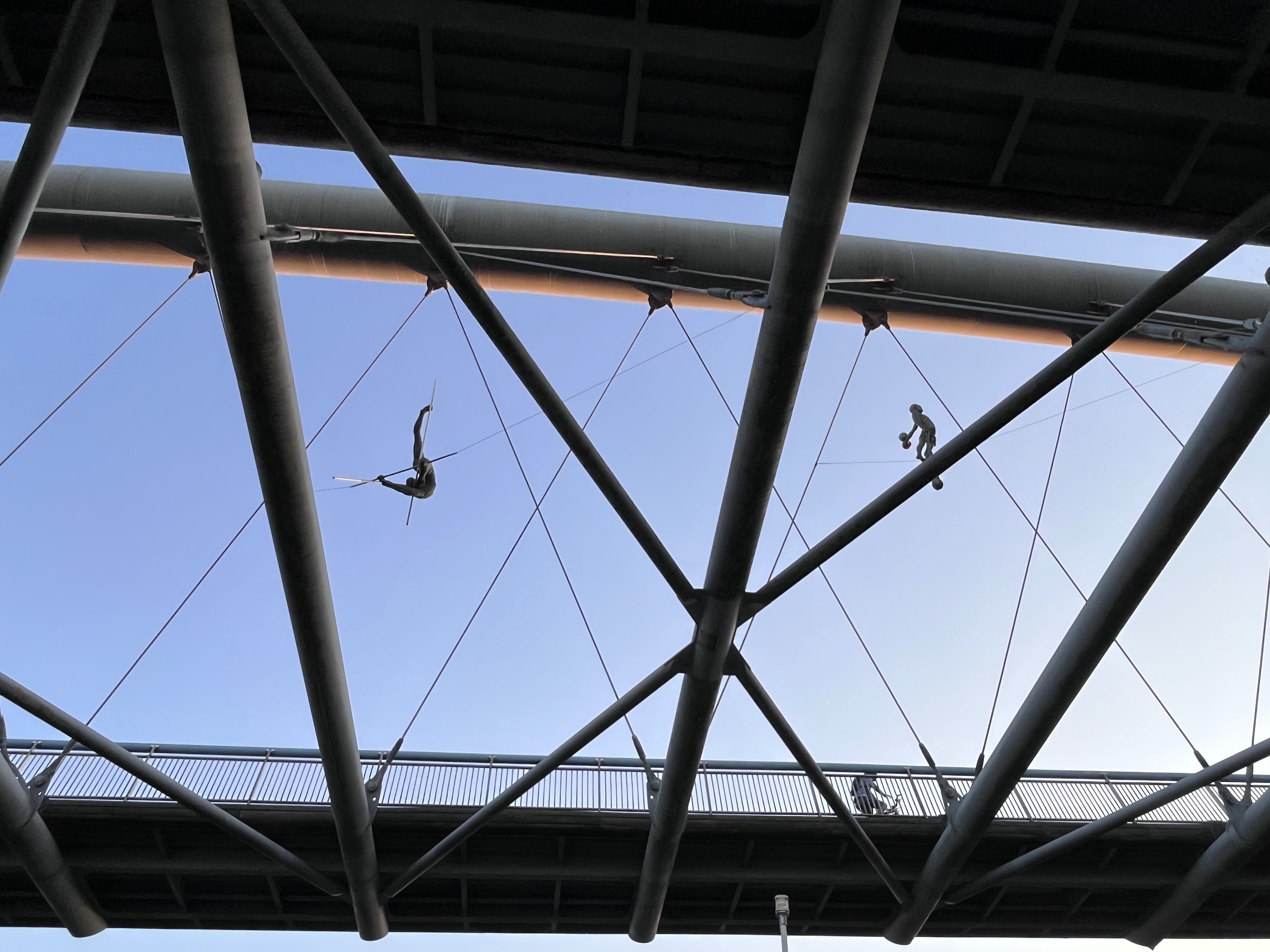
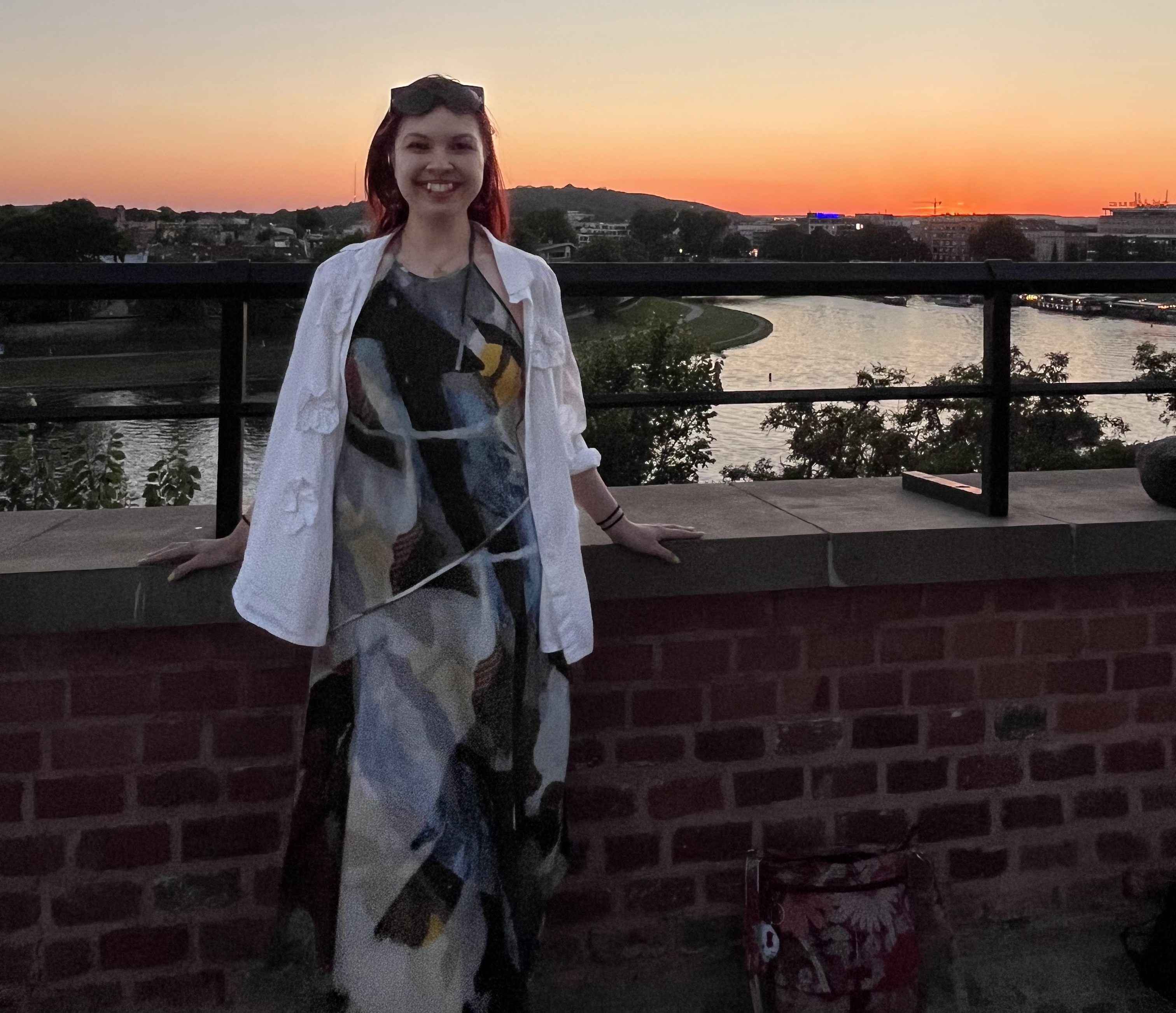
We chatted easily about my life in San Francisco, and her life in Krakow. Like many people that I would encounter in Poland, she was buzzing with enthusiasm that I wanted to hear about her world. I could barely hear the guide’s monotone voice over the loud speakers, but she ended up giving me more information than any tour guide could. She pointed out the Między wodą a niebem, or the Father Bernatek footbridge, adorned with statues of acrobats suspended along the tiers of the bridge. She even offered to take a photo of me, insisting that I had to get the Wawel Castle in the background.
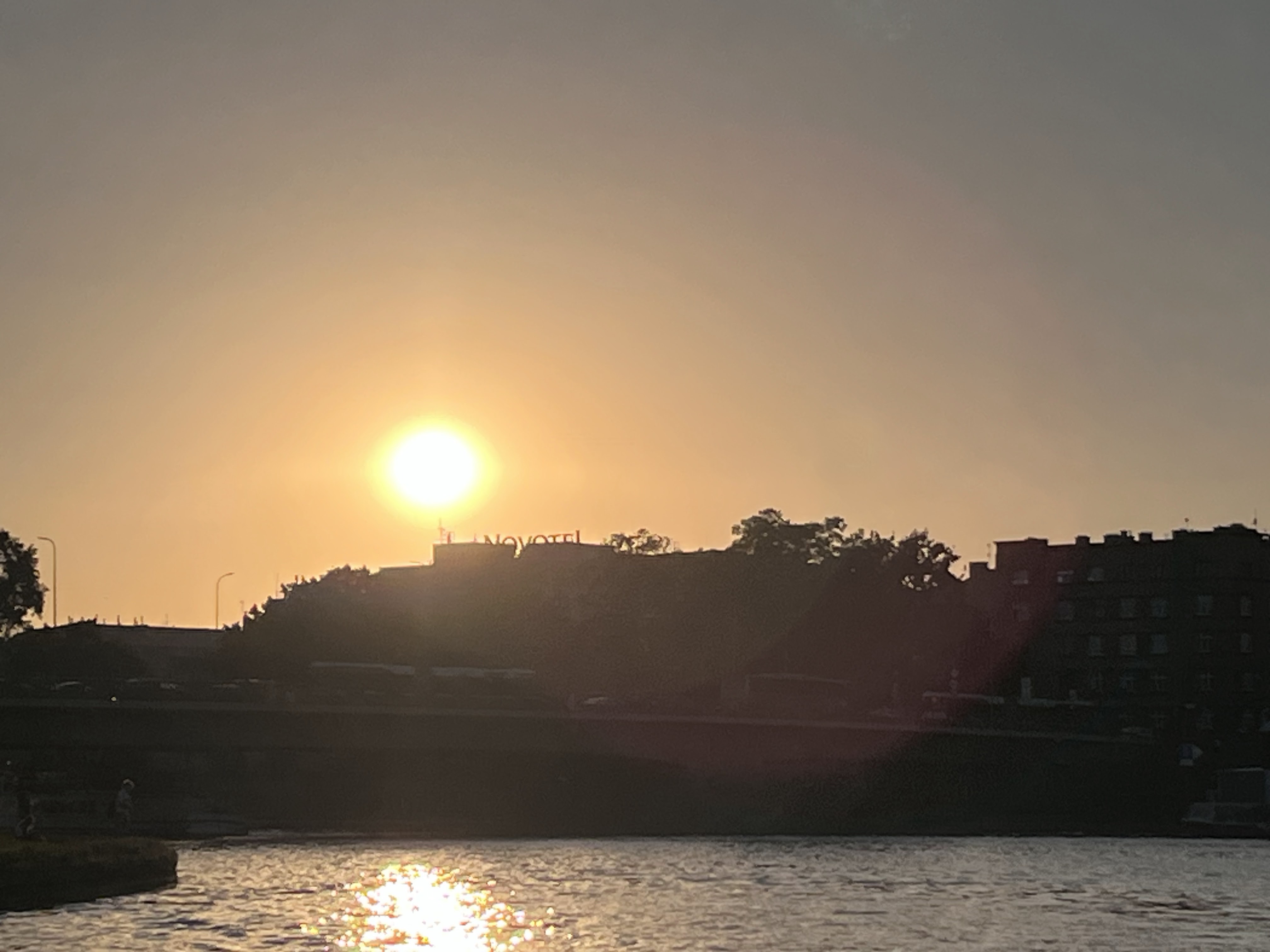
As we chatted along the river, it dawned on me that this moment was more than just a beautiful connection with another human being. The Polish sky, which already seemed like it was lit from the heavens, suddenly danced with the brightest hues of orange and gold I had ever seen. As the colors shimmied and kissed the shadows of the crescent moon, I noticed the crowds of people along the greenery taking photos. Unbeknownst to me, I was witnessing the solar eclipse.
“Oh, I had planned to go on the boat to see the solar eclipse”, she said, registering the excitement and shock on my face.
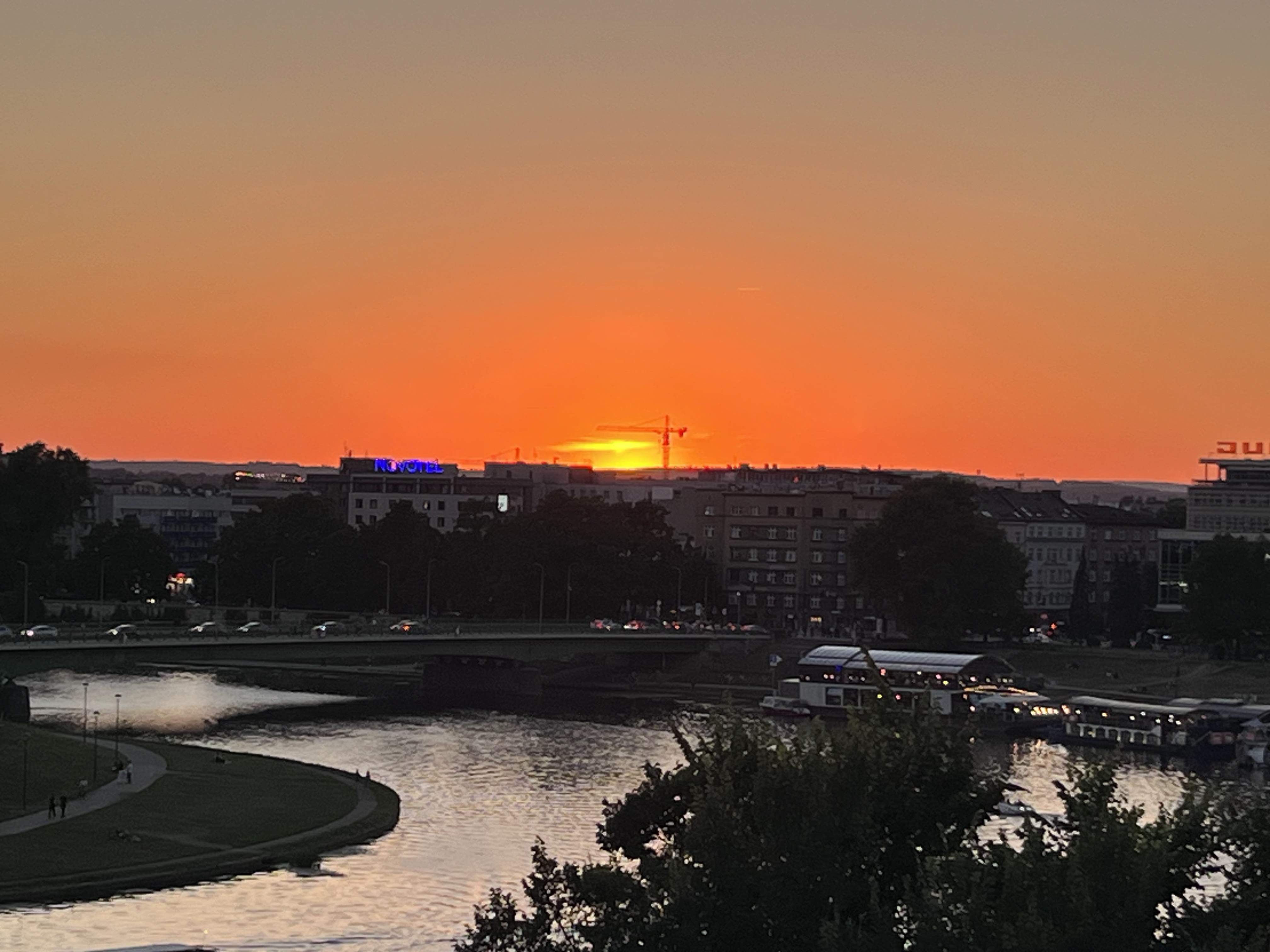
I hadn’t planned to see the solar eclipse on my last night, just like I hadn’t planned to fall so completely in love with bachata, an art form that has led me to travelling the world for dance festivals.
When I told the woman and other Polish people that I was visiting Katowice for the world’s largest bachata festival, I was usually met with a mixture of, “Wow, our country has come a long way” and “We have bachata in Poland? I didn’t know it was so international.”
Though Polish people are slow to warm up compared to American standards–I’m often first met with blank faces, especially as a non-Polish speaker–I found most people to be genuinely happy and open to talk to me when they find out that I’m spending two weeks travelling their country. After all, it was only in 1989 that communism in Poland officially ended. And before that, Poland had experienced extreme trauma through the Holocaust and the destruction of many of their cities.
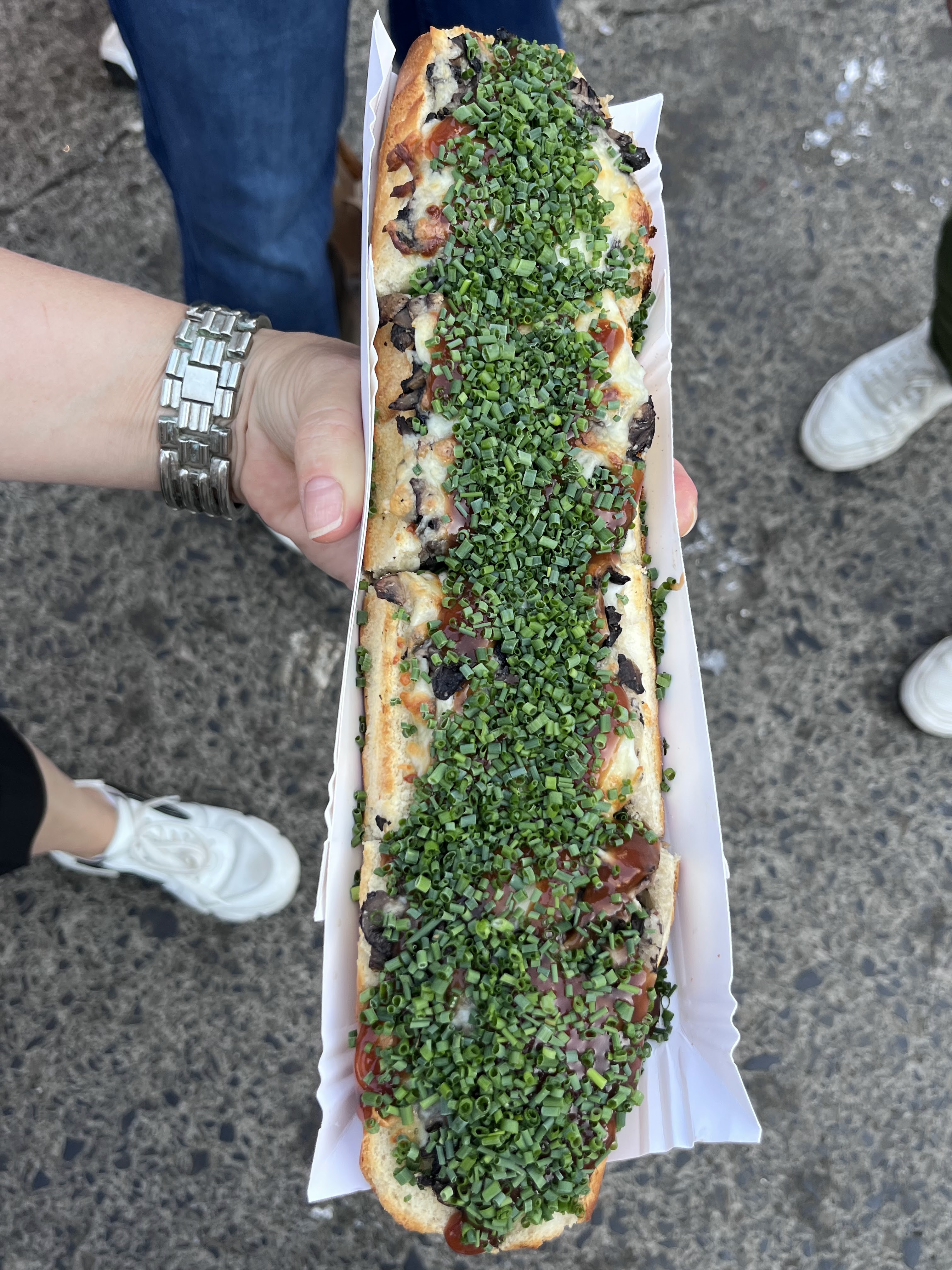
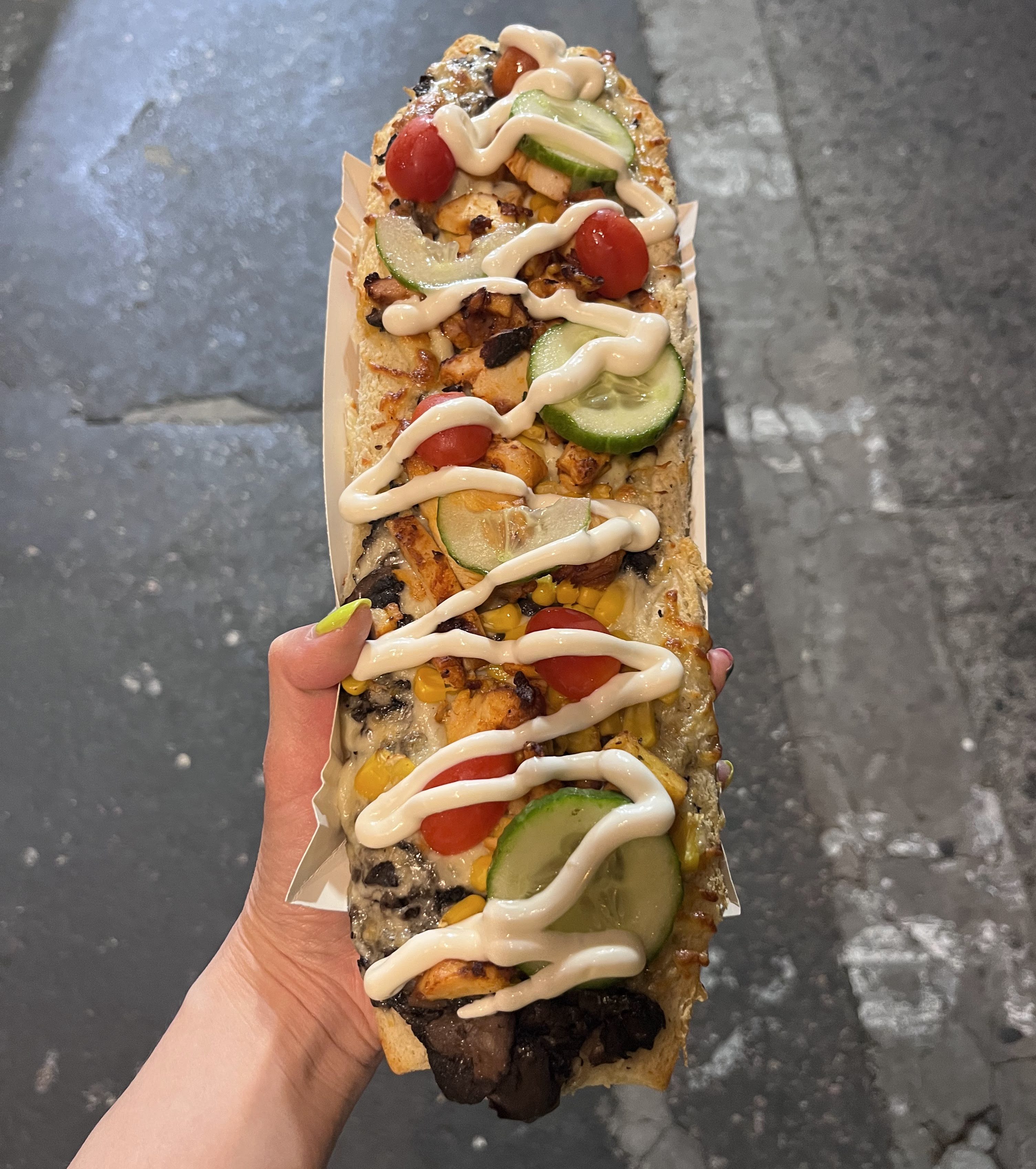
Though the country has made enormous strides in attracting tourists and restoring many of their country’s major attractions, Poland still seemed to be a rather unconventional choice to be spending one’s Euro summer holiday. I especially enjoyed hearing about the transformation that Poland has undergone from locals, like the fact that the original Zapiekanka–an open-faced sandwich popular with drunks and sobers alike–was originally with mushroom, cheese, and ketchup because that was all the Polish had on hand during the 1970’s. Now, aside from many different Polish cuisines, locals will be quick to tell you that their diet has dramatically shifted since the fall of Communism. Now it’s possible to get food from all over the world in Krakow, from sushi, to Korean, to Lebanese.
Like the vivid lights breaking through the darkness of the eclipse, I wanted to understand the remnants of Poland’s painful past, but just as importantly, I wanted to take note of her beautiful transformation.
Just a few hours before the eclipse, I allowed serendipity to decide the course of my day. Having zero plans, I scrolled through the recommendations that my food tour guide had given me, seeing if anything caught my attention. I settled upon going to the Stara Synagoga, or the Old Synagogue. Inside the restored building, it hit me: I had never once learned about Jewish history, or any marginalized persons’ history, with joy at the front and center.
When I was in Berlin, all the monuments were centered around the despair of the victims, and the regret felt by the perpetrators. I’ve been to countless museums across the States detailing the atrocities of the Holocaust, but I can barely remember any centering Jewish art.
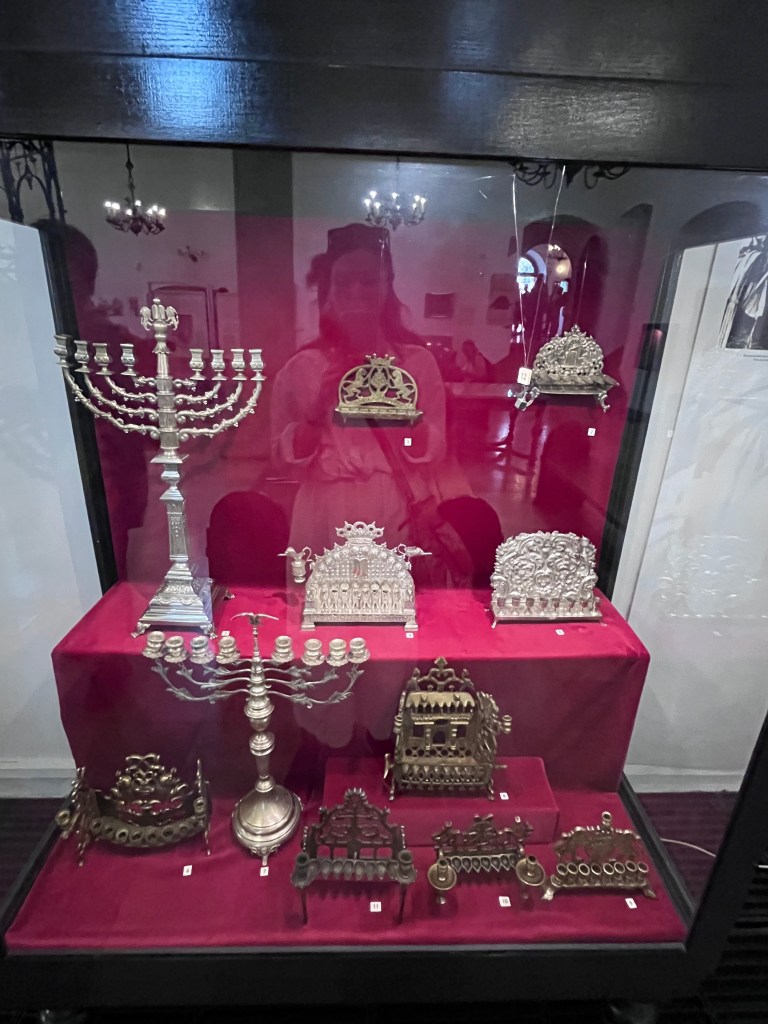
And tragedy isn’t something we should deny. But most importantly, only looking at someone’s culture from the vantage point of despair continues to dehumanize them, to otherize their experiences. By going to the Old Synagogue, I got to learn about the daily rituals and lifestyle of the Jewish people outside of the Holocaust. I enjoyed seeing collections of menorahs, admiring the tallis, or Jewish prayer shawls, and listening to the documentary in the background of a woman describing what it was like living in the Kazimirez quarter of Krakow.
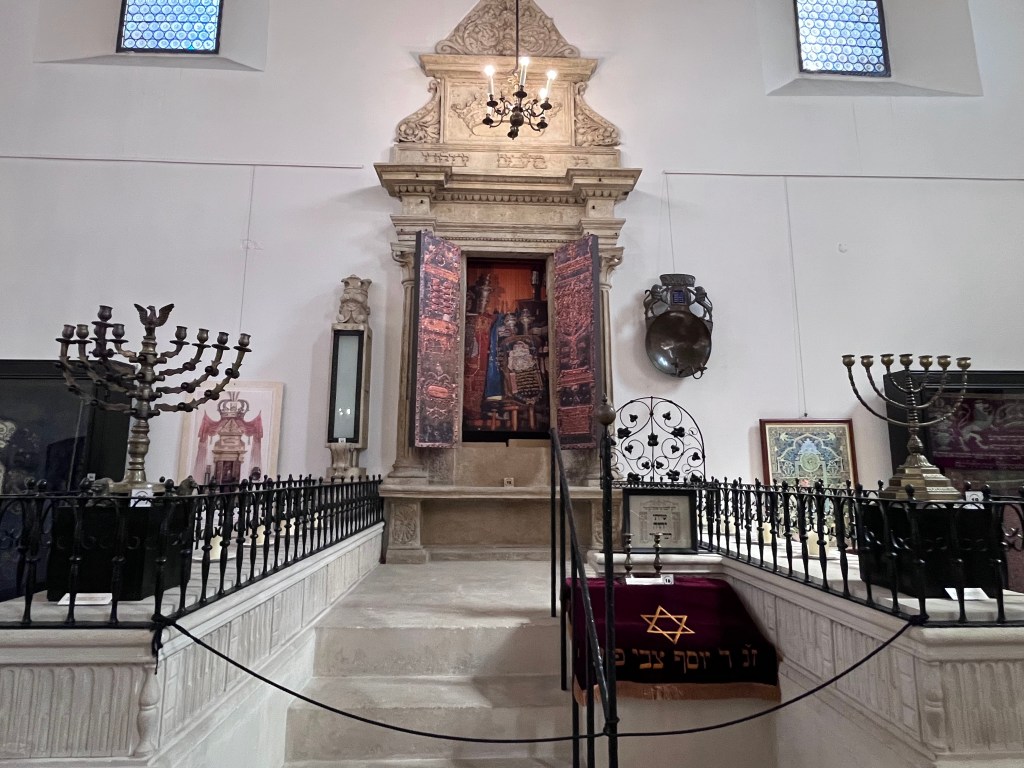
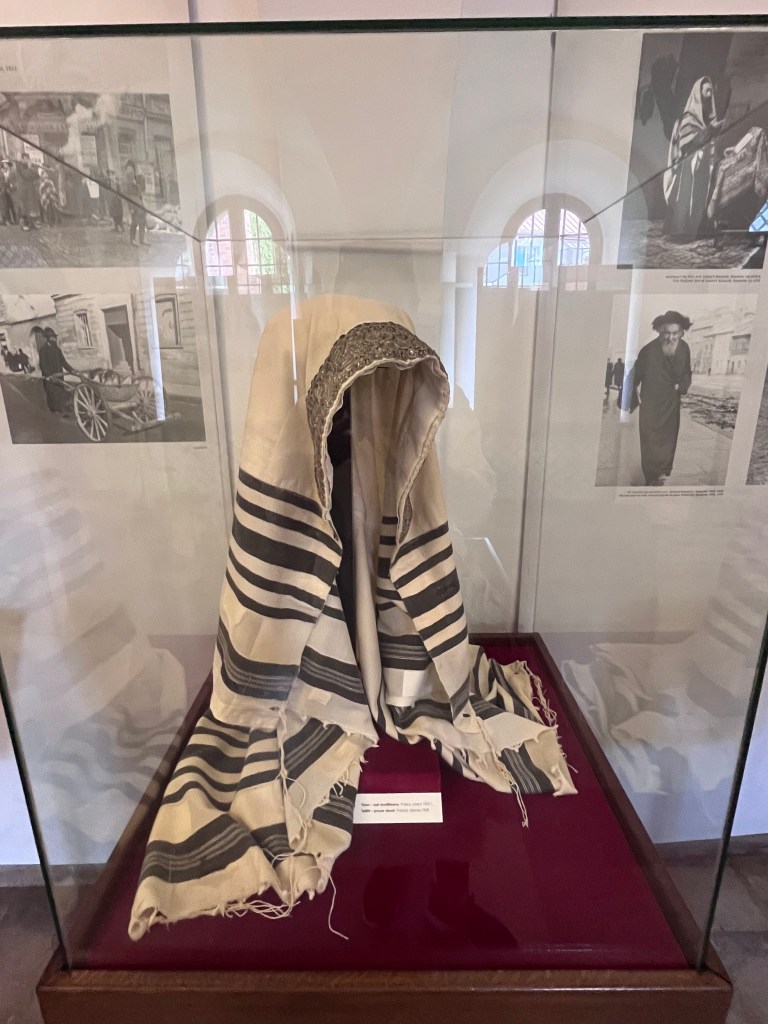
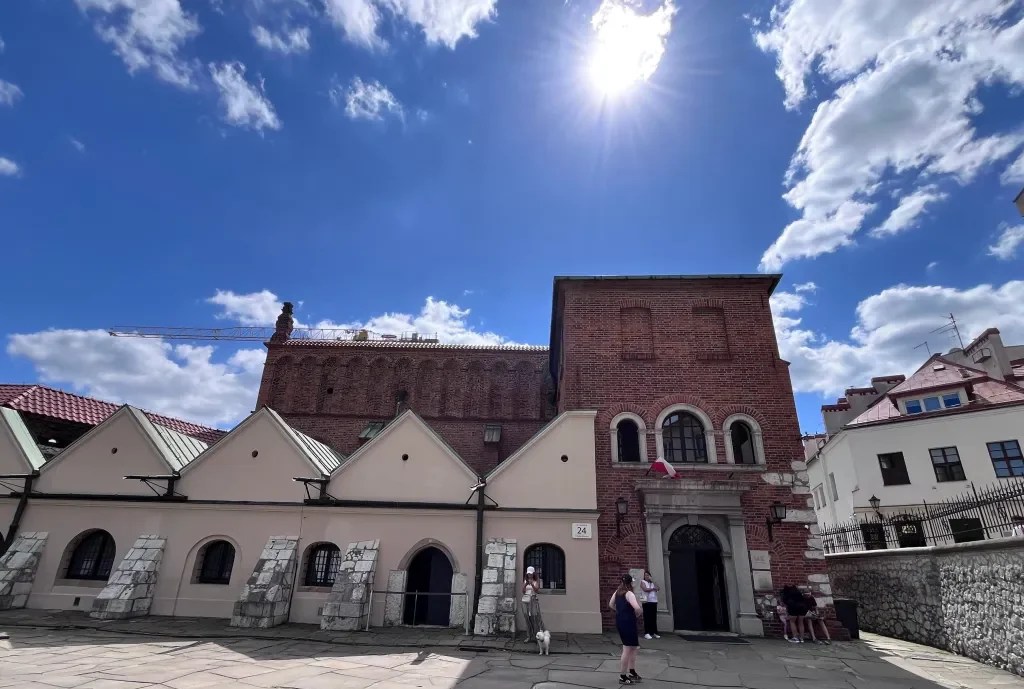
After my visit, I had a newfound appreciation for Kazimirez’s cobblestoned streets, the signs marked in Hebrew, and alleyways leading to pockets of city squares. As I was walking back to my hotel, I saw a man outside of the Jewish Community Centre (JCC Krakow), who was saying goodbye to a line of people. Following my curiosity and openness, I stopped to chat with him.
“I’m visiting from San Francisco. Are there any events going on today?”
“We don’t have any events for the public right now, but we recently hosted Ride for the Living, where we ride our bikes from the gates of Auschwitz back to the Jewish Community Center. We’ve had participants over 80 years old doing the ride.”
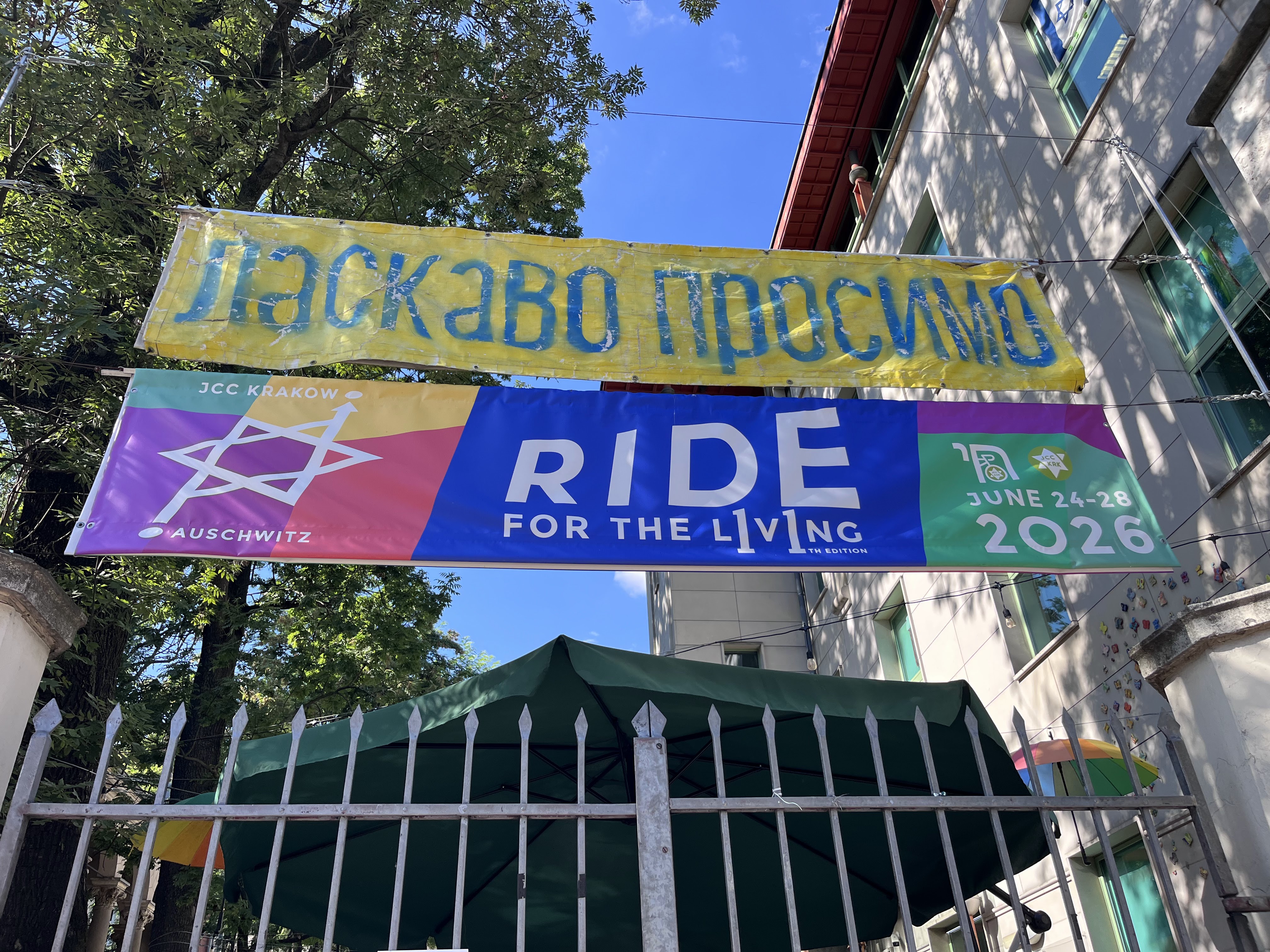
(JCC Krakow), advertising Ride for the Living
“That’s incredible! It’s amazing that the city is celebrating their resilience.”
I told him about my day in Auschwitz the day before, and how I really appreciated seeing a different side of Jewish life in Krakow.
“You should check out Cafe Hafuch, Krakow’s first Kosher restaurant. It’s going to be open tomorrow,” he recommended.
“Definitely, I’ve never had kosher food. I can stop by there before I check out.”
And so on my final morning in Krakow before heading to Katowice, I walked to Cafe Hafuch. There was a large Jewish family sitting in the back with the men and boys wearing kippahs, and next to them was a large collection of books written by Jewish authors. Plants hung tastefully along the walls, and a few solo diners were typing away on their computers near me.
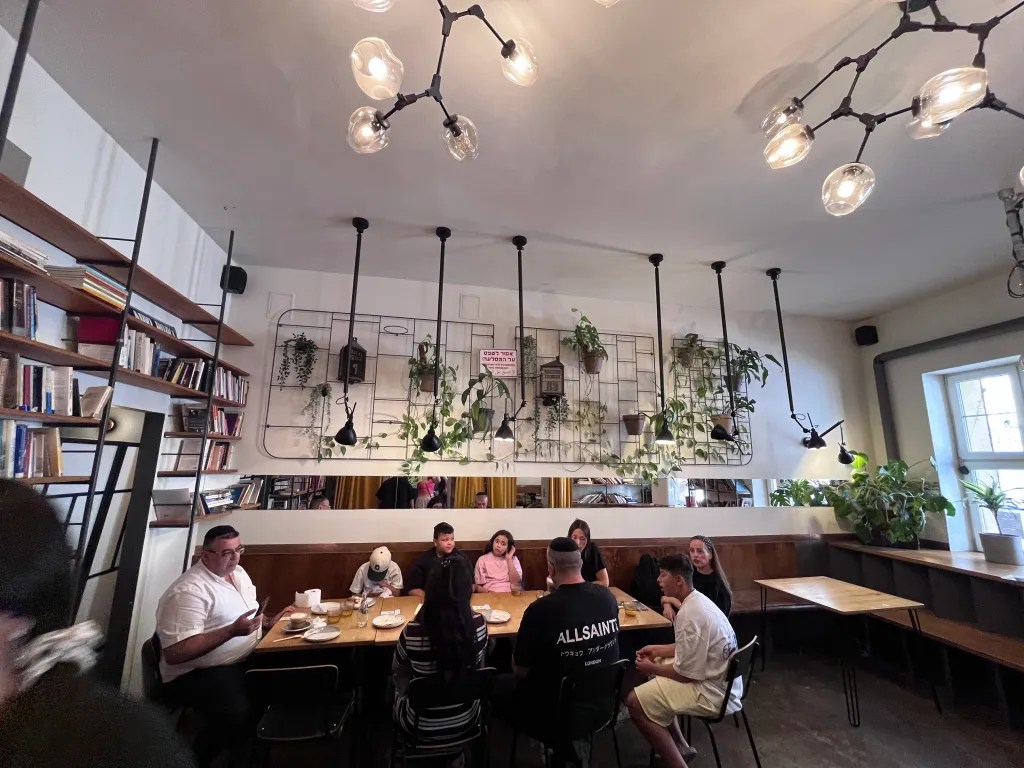
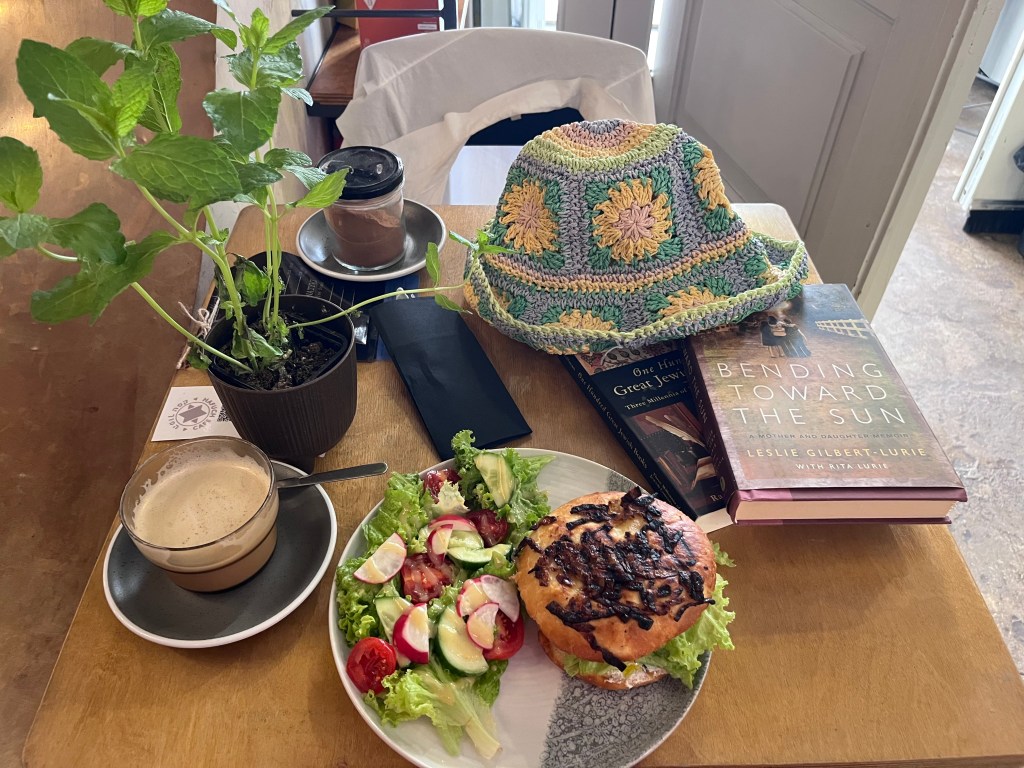
The warmth and openness of the cafe was evident, and I appreciated the servers explaining what a Cafe Hafuch is. The word literally translates to upside down coffee, and of course, I had to order the cafe’s namesake. Based on their recommendation, I also ordered their take on the classic bialy. One bite of the bialy, with grilled onions in the center, and filled to the brim with cream cheese, lettuce, and a perfectly runny egg, and I understood the hype. The coffee, which was essentially milk, espresso, and then extra foam on top, did the trick of waking me up and satiating my senses too.
As I reflect on my last day in Poland, I’m grateful that I let go of control of any itinerary, bucket list, or expectations. The more I travel, the more I let serendipity take the reins of my day, both on and off the road.
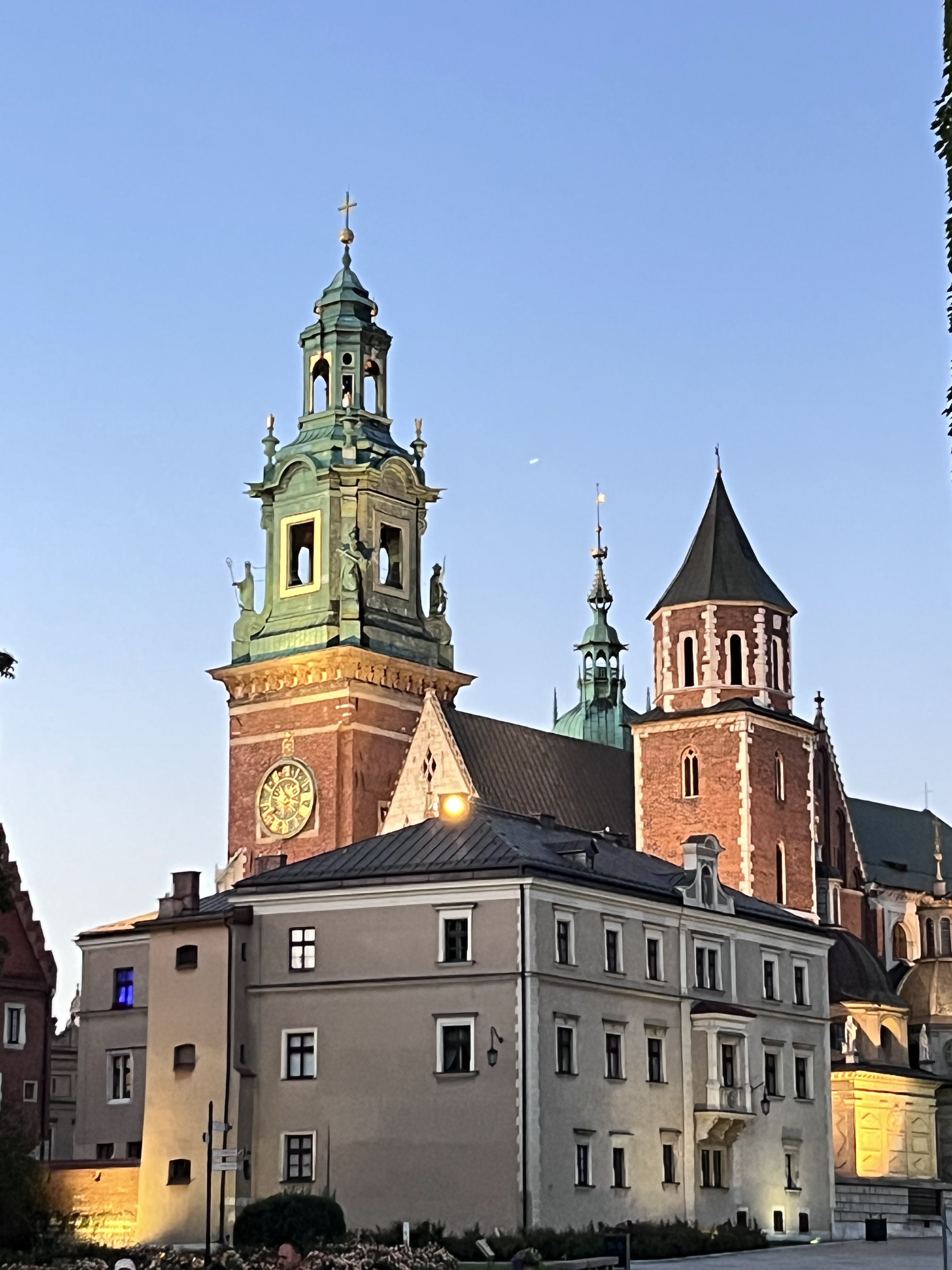
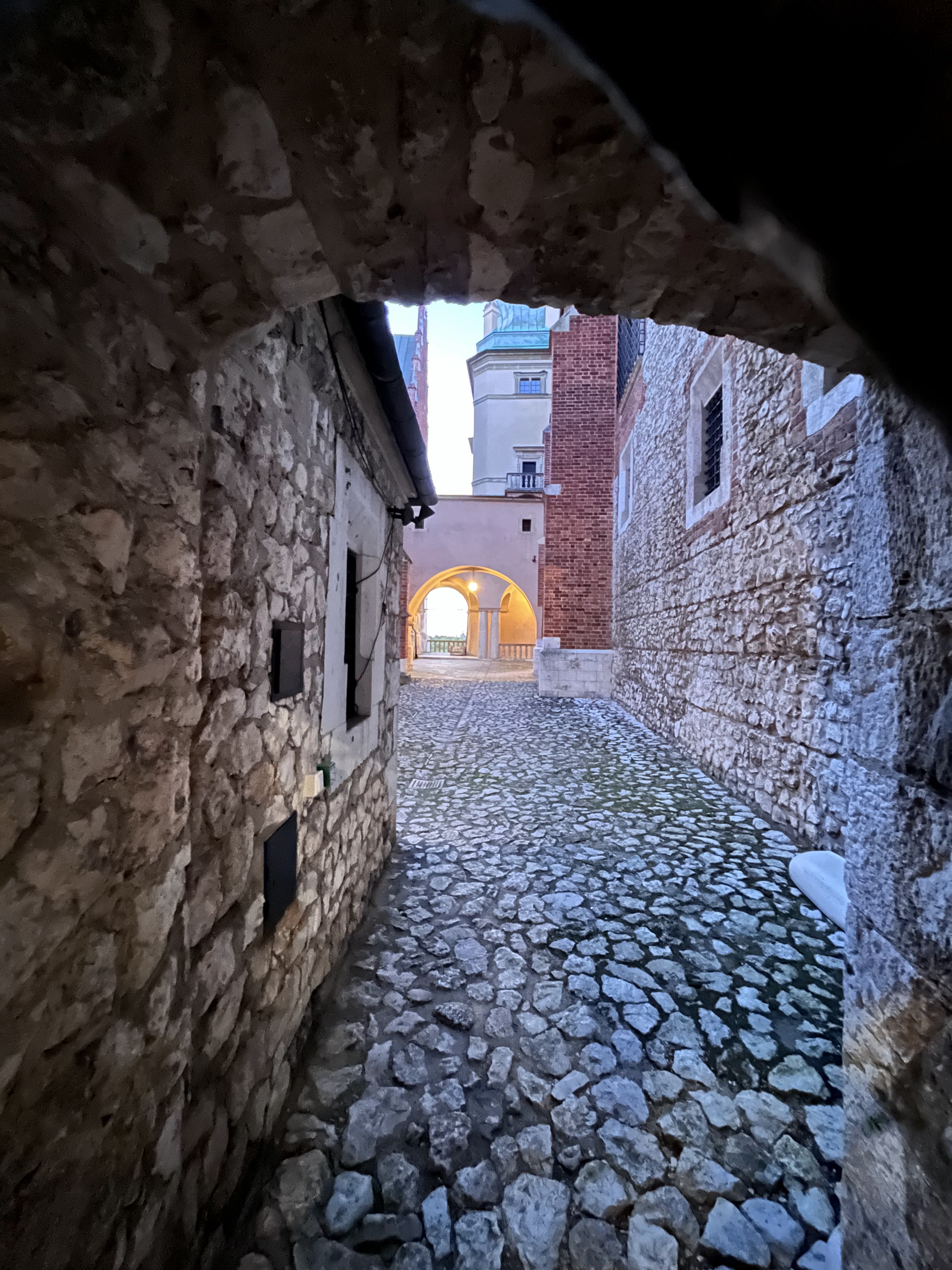
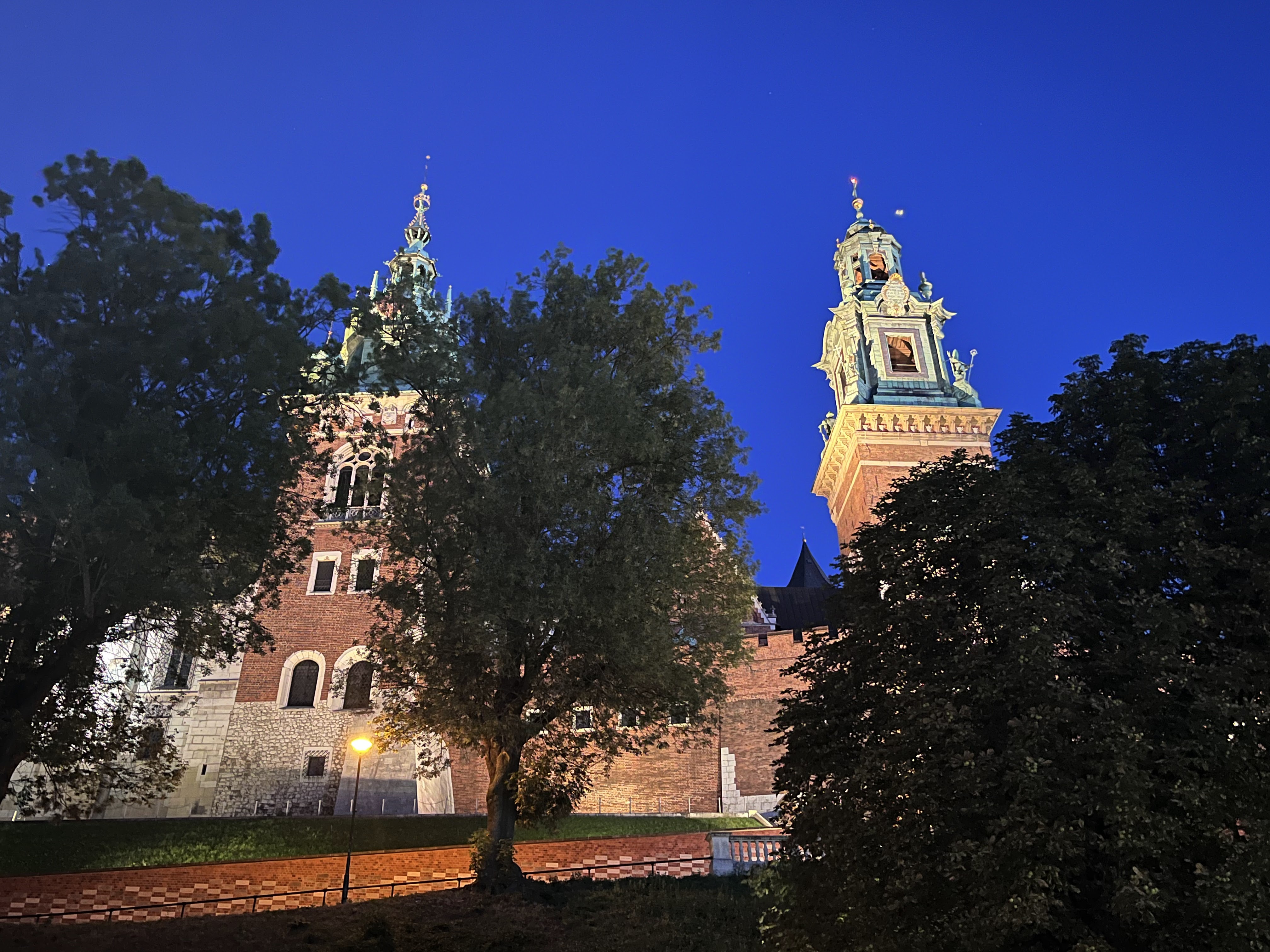
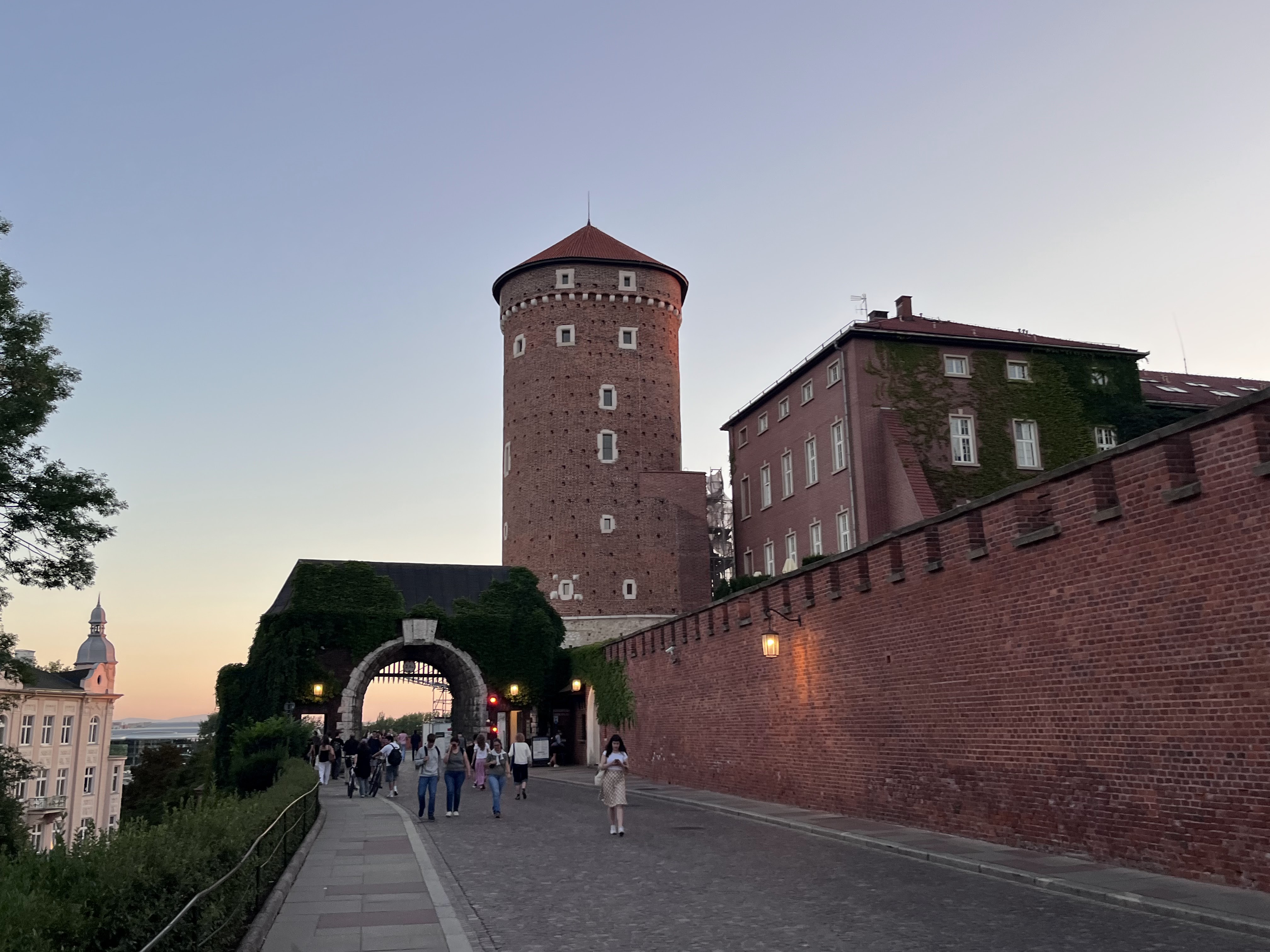
I’ll always remember seeing the solar eclipse on my final night in Krakow, Poland, reflecting not only Krakow’s beautiful transformation, but my own inner spark that I reinvigorated with every seemingly random interaction. After my passenger and I departed the boat, she suggested I bask in the remainder of the eclipse by following the throngs of people walking to the top of Wawel Royal Castle.
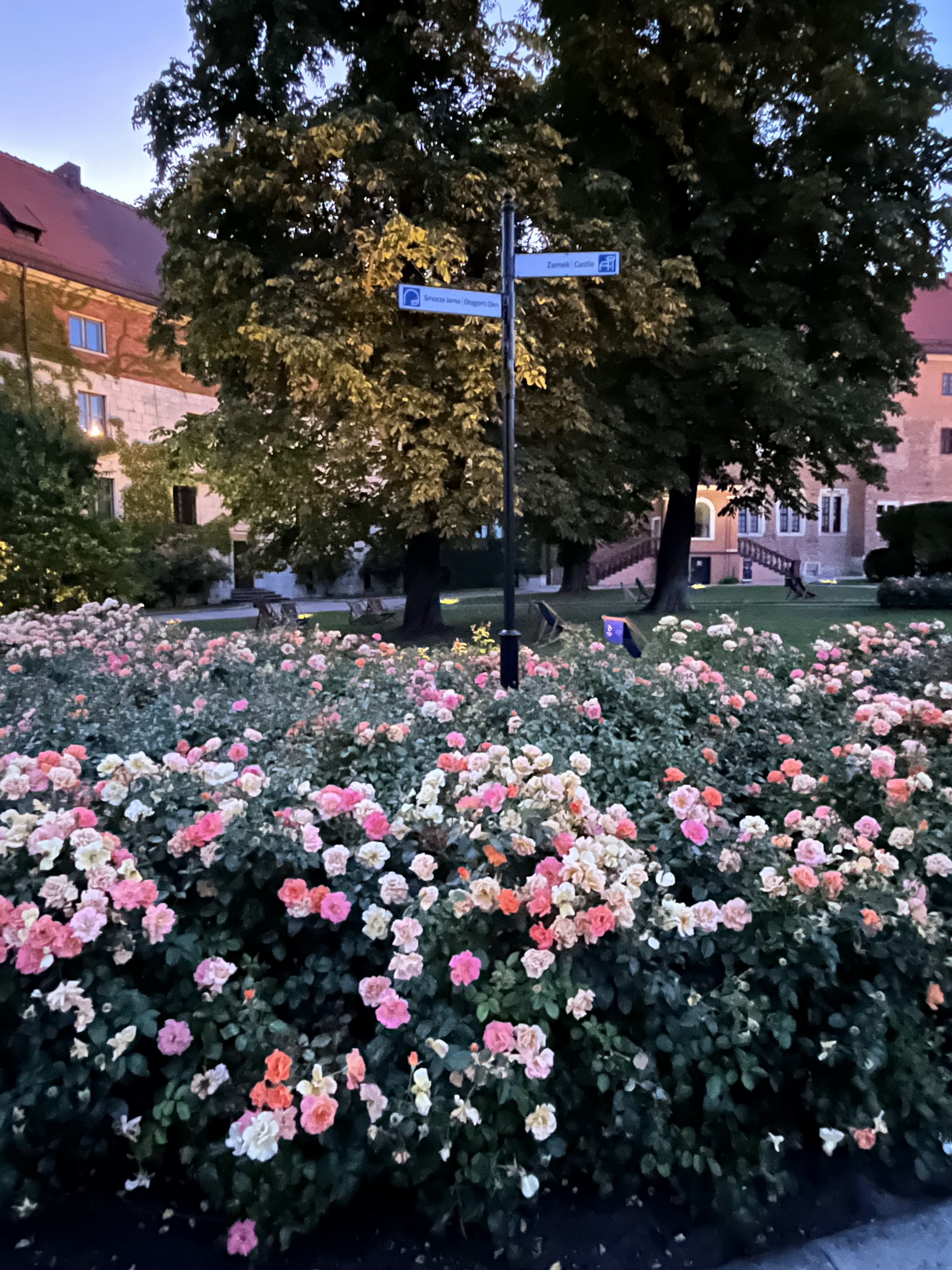
As I made my way to the castle, I peered over the deep red brick walls, eager to see a view of the city. I saw the Vistula River from a bird’s eye view, the out-of-place skyscrapers, and the ferris wheel spinning to hues of deep purple. I caught a few final glimpses of the eclipse, as the bright orange sky transitioned to deep black. Even as the sky darkened and the city views faded, the sight still took my breath away.
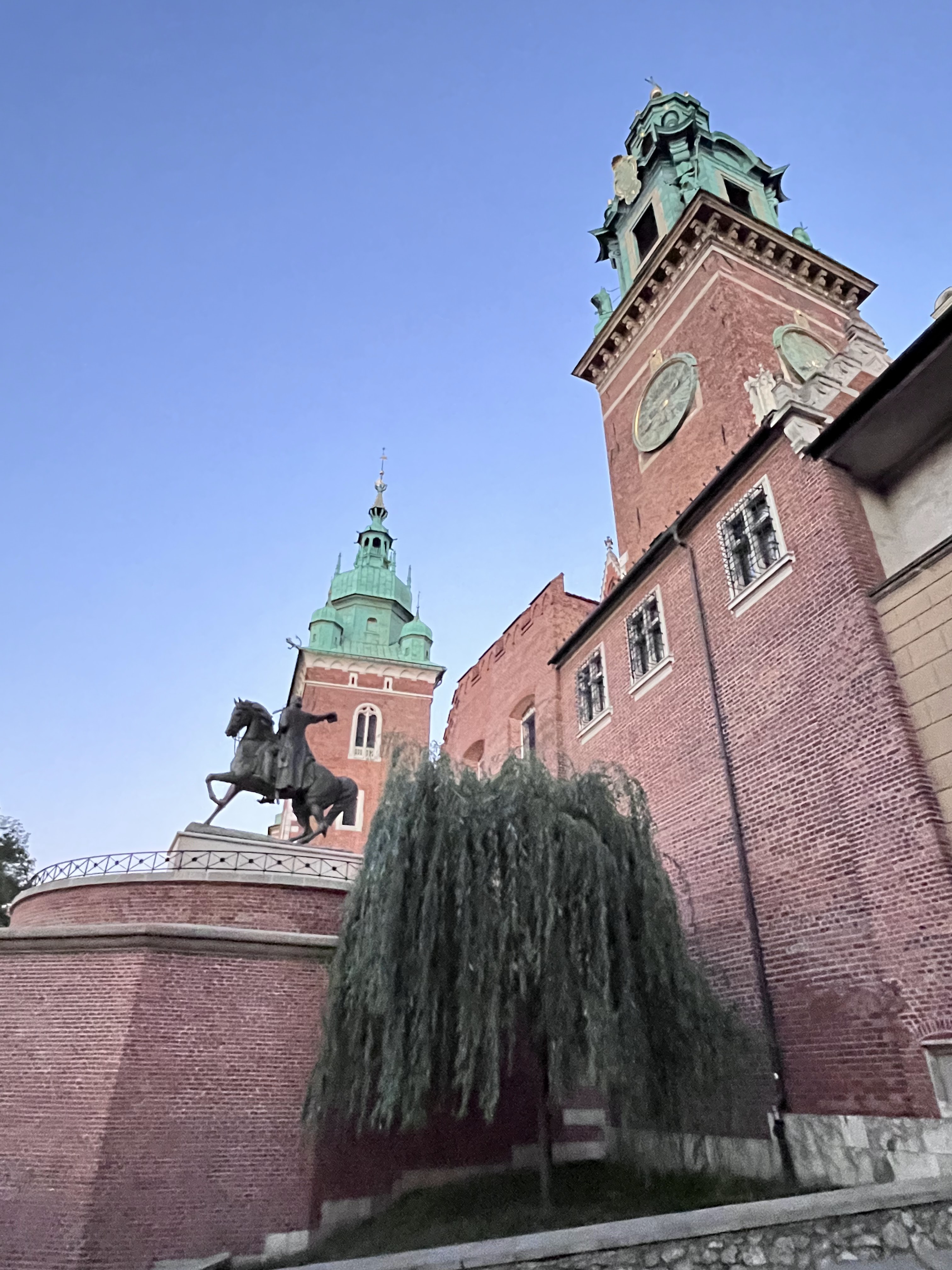
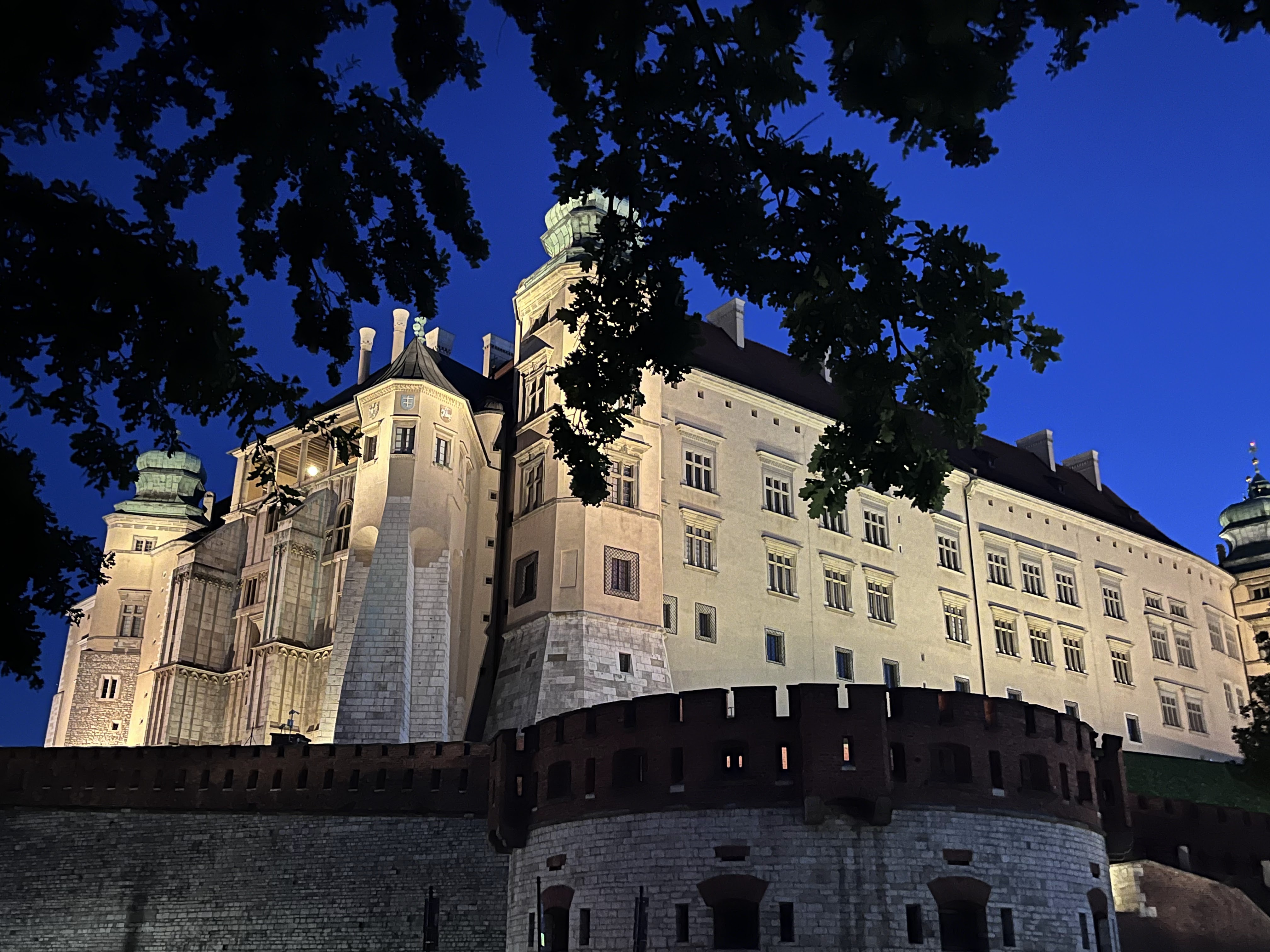
Truth be told, I don’t remember my boat passenger’s name, or the man in front of the Jewish Community Centre, or the countless other people I encountered on my journey in Krakow. I’m sure they don’t remember mine.
I had witnessed Krakow’s transformation in just a few short days. And because I was open to it, I let Krakow and her people hold me as I travelled the journey of coming home to myself.
Has connecting with a stranger ever changed the trajectory of your day (or your life)? I’d love to hear your stories. Comment below!
XOXO,
Chelsia


Leave a Reply